
Sex Offender Checks in Carroll County
The primary public channel is the Georgia Sex Offender Registry, also called GBI SORT. The Georgia Bureau of Investigation and Georgia Crime Information Center manage the statewide system, while information comes from sheriffs and other contributing agencies. The Carroll County Sheriff registry page provides the local route and links to its OffenderWatch service. For a Carroll County search, begin with a name or location and keep enough identifying detail to distinguish people with similar names.
These channels serve different roles. GBI SORT is the authoritative statewide publication and says it updates daily. The Carroll County Sheriff is the registering agency for local address changes and can receive a report when an address appears wrong. GBI also warns that its information changes continuously, depends on contributing agencies, and carries no guarantee of accuracy. A profile is a lead for safety awareness, not proof that every displayed fact is current.
The GBI registry service page explains the state authority and points readers toward the public search.
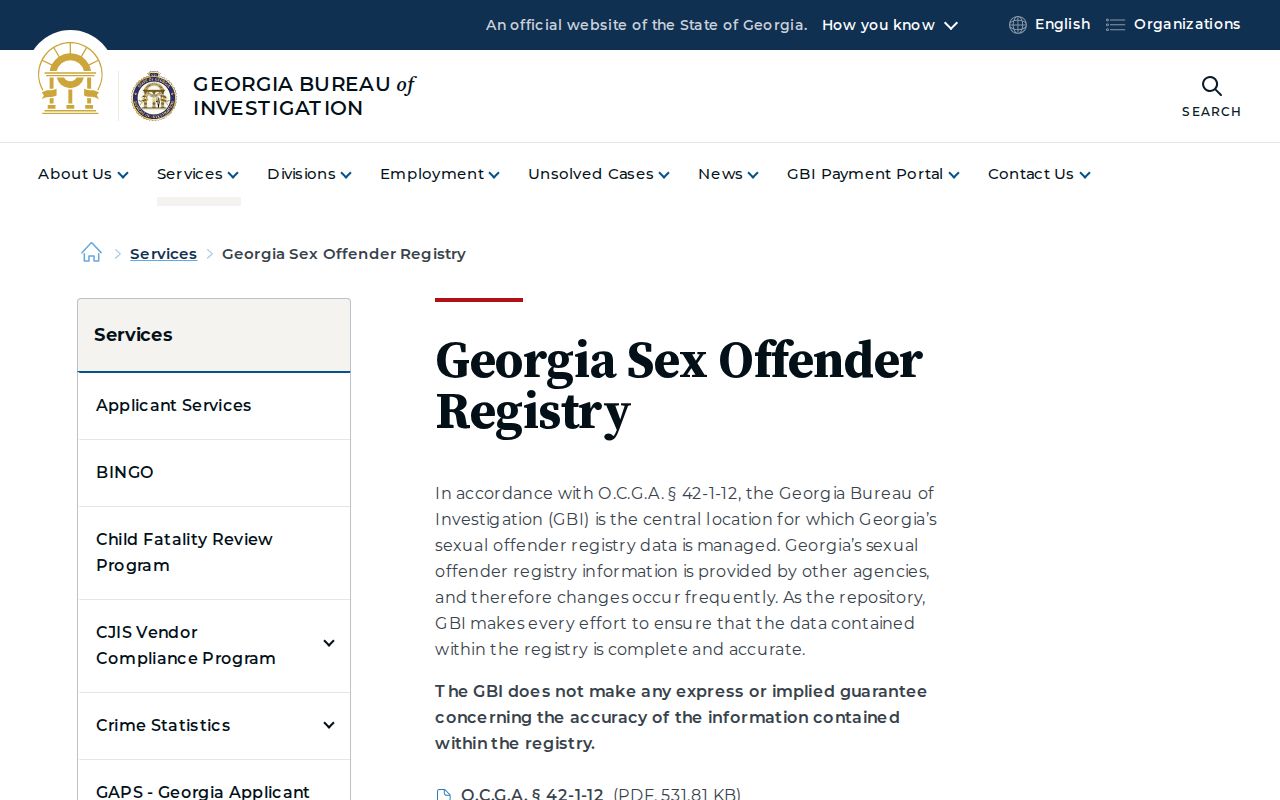
This official source helps separate the state-managed publication from Carroll County’s local registration work.
Accept GBI SORT Conditions First
GBI SORT places its Conditions of Use before the search controls. Acceptance matters because the notice explains the limits of the data before a person searches Carroll County. Records are compiled from agencies that register, supervise, or otherwise report information. A delay between a change and its appearance online does not by itself establish that someone violated the law.
Read the result in that context. Match photographs, aliases, physical descriptors, registration identifiers, and locations when available, rather than relying only on a name. If a Carroll County address seems incorrect, preserve the profile URL or registry identifier and contact the Carroll County Sheriff. Report the possible discrepancy without confronting the person or household.
How to Search the Georgia Sex Offender Registry
The Georgia Sex Offender Registry supports both person and location pathways. A name search is useful when the person is known. A location search is better for Carroll County neighborhood awareness because it can combine county, city, ZIP code, street address, radius, and map or list controls. Dynamic radius choices can change, so confirm the live options rather than assuming a fixed distance.
- Open GBI SORT and read and accept the Conditions of Use.
- Choose an offender/name search or a location/address search. Enter only the fields needed to narrow the Carroll County results.
- Review the map or list and compare available identifiers. Similar names and incomplete fields require caution.
- Open the full profile, note its registration agency and update status, and confirm questionable information with the Carroll County Sheriff.
| Field Label | Type | Required | Notes |
|---|---|---|---|
| Last name | Text | No | Used in the offender/name pathway. |
| First name | Text | No | Combines with last name to narrow matches. |
| County, city, or ZIP | Select or text | No | Use Carroll County or a local place to define the area. |
| Street address | Text | No | Supports a location-centered search. |
| Radius, map, or list | Location controls | No | Check the live portal for current radius choices. |
GBI SORT or NSOPW?
Use GBI SORT for Georgia detail and a Carroll County filter. Use the Dru Sjodin National Sex Offender Public Website when the question crosses state or tribal jurisdiction lines. NSOPW aggregates searches from participating jurisdictions, but it does not replace the source registry that supplies the underlying profile.
The official national search page shows the broader access layer available beyond Georgia.
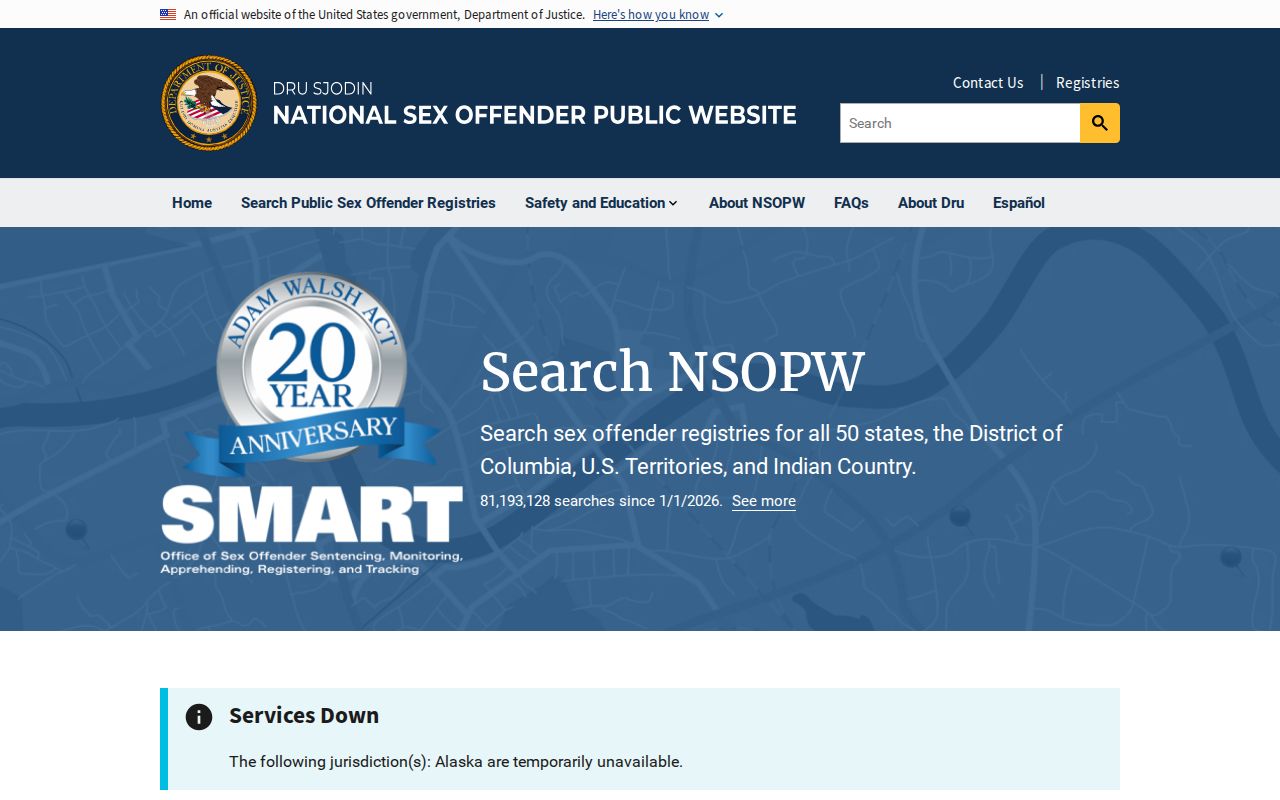
Return to GBI SORT and the Carroll County Sheriff when a national result points to a Georgia registration record that needs local confirmation.
Inside a Registry Profile
A Georgia profile can display the categories below, but source reporting varies and not every Carroll County record contains every field. An empty field should not be filled by inference. Offense information may identify conviction jurisdiction, date, and statute where supplied, while registration status describes registry administration rather than the complete underlying court file.
| Name & Aliases | Primary name, aliases, and a registry identifier when reported. |
|---|---|
| Photo & Description | Photographs and physical descriptors, including scars, marks, or tattoos when supplied. |
| Locations | Residence or homeless location, plus school or work address where applicable and published. |
| Offense & Statute | Offense, conviction date and jurisdiction, and statute where the source provides them. |
| Risk Classification | Level I, Level II, sexually dangerous predator, or a missing or pending classification. |
| Status & Other Details | Registration agency, update or compliance indicators, vehicles, and absconded or noncompliant markers where present. |
Carroll Registration and 72-Hour Rules
Georgia law generally requires a person subject to registration to register with the sheriff within 72 hours after release, placement, or entry into the jurisdiction. Annual renewal occurs in person within the 72 hours before the registrant’s birthday, and covered changes must generally be reported within 72 hours. The sheriff then updates the state system within two business days, while GBI says the public registry updates daily.
The GBI registry FAQ explains registration updates, duration, and legal relief.
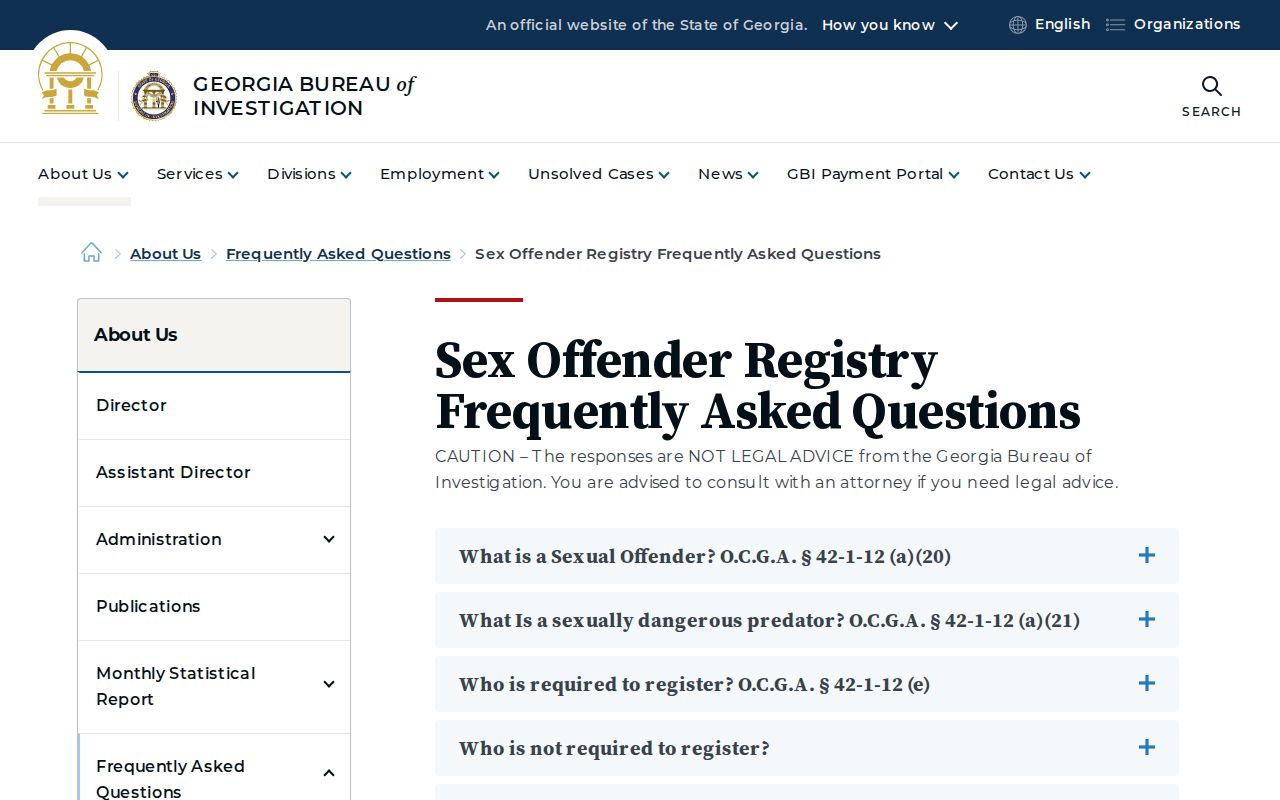
The reporting chain explains why a recent Carroll County change may take time to appear even though both local and state update deadlines exist.
Georgia Registration Levels and Requirements
Georgia’s risk classifications are not a federal-style table in which Level I automatically means 10 years and Level II means 25 years. Registration is generally for life unless legal relief applies. The classifications assess future-offense risk, while verification duties and a qualifying petition for relief involve separate statutory rules.
| Level / Tier | Duration | Verification Frequency |
|---|---|---|
| Level I | Generally lifetime absent relief | Annual birthday renewal |
| Level II | Generally lifetime absent relief | Annual renewal |
| Sexually Dangerous Predator | Lifetime absent relief | Annual renewal plus six-month verification |
| Not leveled | Registration and public listing still apply | Applicable statutory renewal duties |
When a Carroll Address Looks Wrong
Start by reopening the full GBI SORT profile and checking whether it identifies Carroll County as the registration agency. Note the registry identifier, displayed address or homeless location, and any update or compliance indicator. Do not treat a map pin, an old screenshot, or a missing field as conclusive. The state notice expressly warns that the data can change and comes from contributing agencies.
Next, use the Carroll County Sheriff’s official registry route to report the suspected error. Describe the discrepancy without publishing private information elsewhere or contacting the household. The Sheriff can compare the report with local registration records and determine whether an update should be sent to GBI. Because sheriffs have a two-business-day update rule and GBI reports daily updates, a recently submitted change can still move through more than one system.
For an immediate threat, contact law enforcement through the appropriate emergency channel. For a data question, use the registration agency and allow it to verify the record. A citizen report is useful information for review, but it is not a legal finding of noncompliance.
Registry, Restriction, and Supervision Differ
A registry search is not the same as a criminal-history restriction request, a court record, or a supervision lookup. Georgia registry relief follows a legal path under O.C.G.A. § 42-1-19 for qualifying petitions in Superior Court. If a petition is denied, the researched rule requires a two-year wait before another petition. A user cannot remove a registry result merely by asking the search portal to edit it.
The state’s record-restriction walkthrough concerns eligible criminal-history dissemination under a different process.
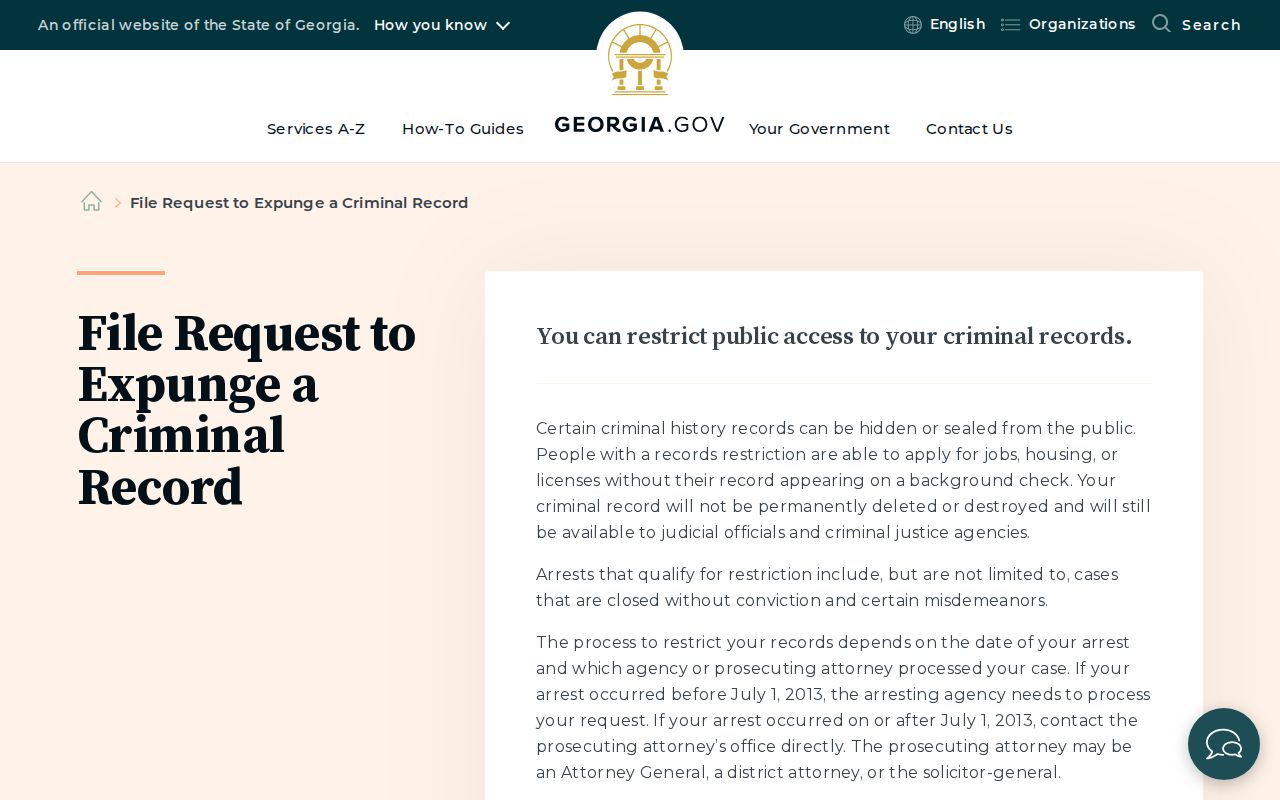
This distinction prevents a Carroll County registry question from being routed into an unrelated record-restriction procedure.
Likewise, the Carrollton DCS virtual office serves Carroll and Heard Counties and the West Georgia Circuit for community supervision.
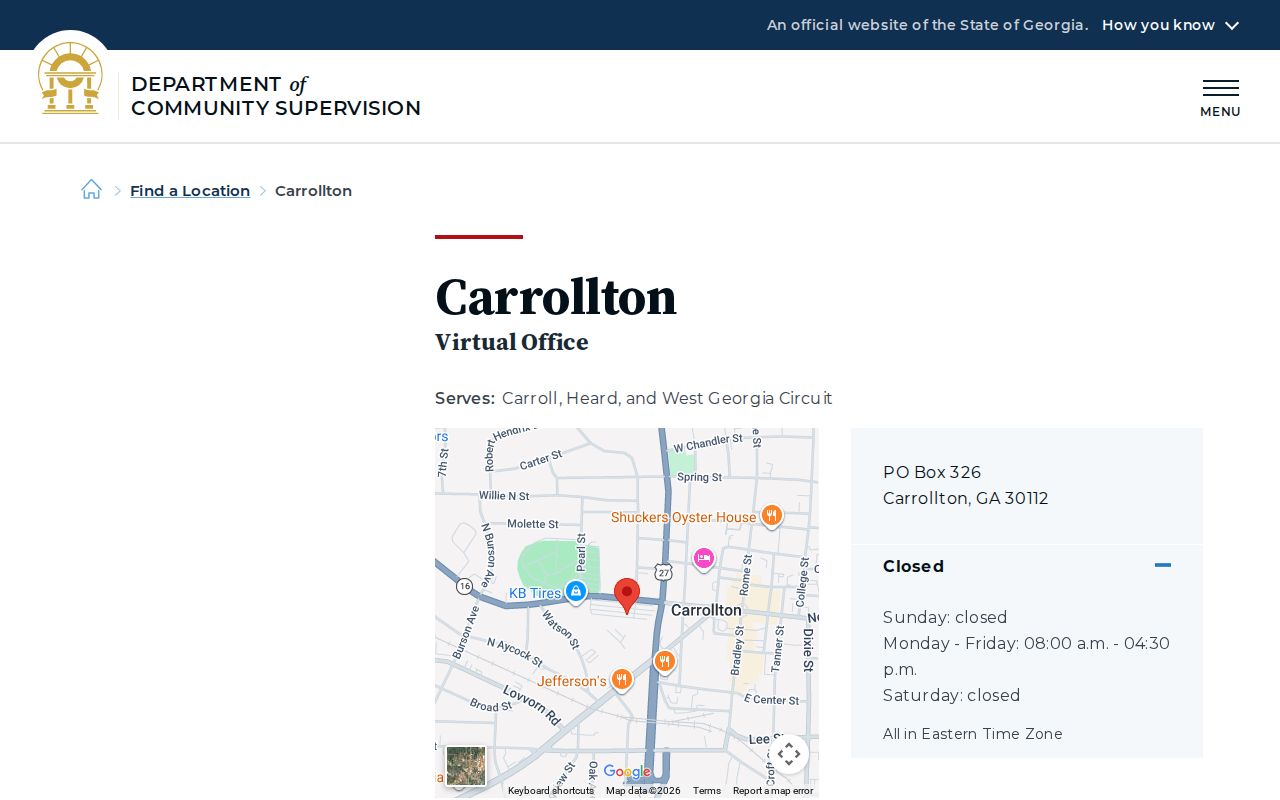
DCS supervision information and GBI registry publication can overlap in a person’s broader legal history, but one system should not be treated as a substitute for the other.
Community Notification and Lawful Use
Public registry information supports personal, family, neighborhood, and community safety awareness. It should be read carefully, verified through the registering agency when necessary, and never turned into a claim beyond what the official profile states. Georgia’s framework provides felony penalties under O.C.G.A. § 42-1-12 for failure to register or supplying false information, but a delayed or disputed online address is not itself enough for a private person to decide that an offense occurred.
If a Carroll County profile appears inaccurate, notify the Sheriff and allow the agency to investigate and transmit a correction. A request for a separate public record may also be made through the proper custodian under the Georgia Open Records Act guidance.
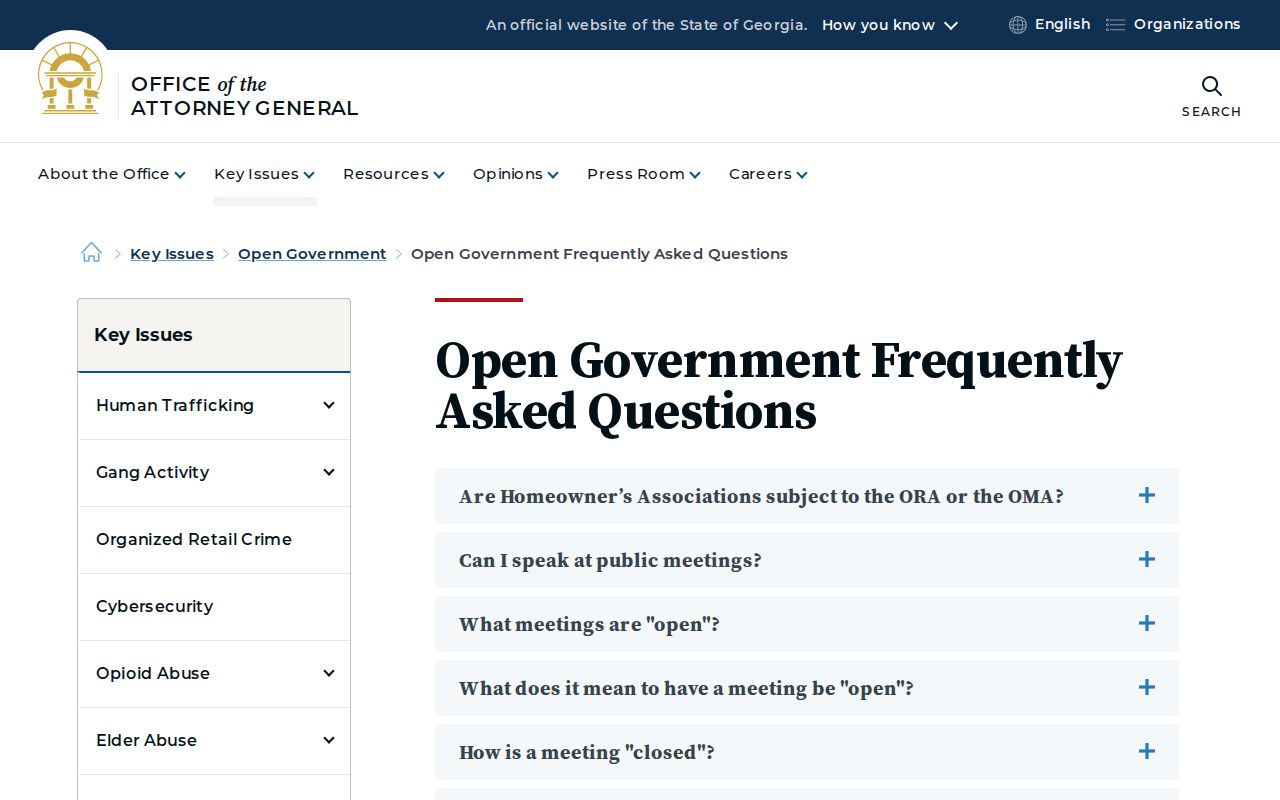
The open-records channel does not guarantee access to confidential investigative, juvenile, victim, or other protected material.
Use registry information lawfully: O.C.G.A. § 42-1-12 makes it a crime to misuse registry information to commit a criminal act against a listed person or that person’s property. Do not harass, threaten, intimidate, discriminate against, or take vigilante action against a registrant or household. Contact law enforcement about an immediate safety concern.